When it comes to international shipping, two primary methods are widely used: air freight and ocean freight. Each mode of transport has its advantages and disadvantages, and choosing the right one depends on factors such as cost, speed, cargo type, and shipping distance. Whether you’re a business owner shipping goods globally or an individual sending packages abroad, understanding the key differences between air and ocean freight is essential for making informed decisions.
1. Speed of Delivery
One of the most significant differences between air and ocean freight is the speed of delivery.
- Air Freight: Known for its fast delivery times, air freight is typically the best choice when speed is a priority. Airplanes can travel long distances in a matter of hours or days, making it ideal for urgent shipments or perishable goods.
- Ocean Freight: Ocean shipping is significantly slower compared to air. Depending on the route, shipments by sea can take anywhere from a week to several months. While slower, ocean freight is often chosen when time is less critical, and bulk cargo needs to be transported cost-effectively.
If speed is your top priority, air freight is the better option, while ocean freight is more suitable for shipments where time is not an issue.
2. Cost Differences
Another critical factor to consider is cost, as the price for air and ocean freight can vary greatly.
- Air Freight: Air freight is generally more expensive than ocean freight due to the high operational costs associated with fuel, security, and maintenance. Rates are based on weight and volume, and lighter goods tend to benefit from air shipping. However, if you’re shipping large or bulky items, the cost can increase substantially.
- Ocean Freight: Ocean freight is usually much more affordable, especially for large, heavy shipments. It is cost-effective because ships can carry massive volumes of cargo in a single trip. Costs are typically calculated based on the container size (e.g., 20-foot or 40-foot containers), making it ideal for bulk goods, industrial products, and heavy equipment.
For small, lightweight, and time-sensitive shipments, air freight might be worth the higher cost. However, ocean freight is the best choice for large volumes of goods or when cost savings are a priority.
3. Cargo Capacity
The amount and type of cargo that can be shipped differ between air and ocean freight.
- Air Freight: Airplanes have strict weight and size limitations, and certain goods cannot be transported by air. Cargo planes have limited space, and each aircraft can only carry a set amount of weight. Air freight is ideal for smaller, lighter, and high-value items such as electronics, jewelry, and pharmaceuticals.
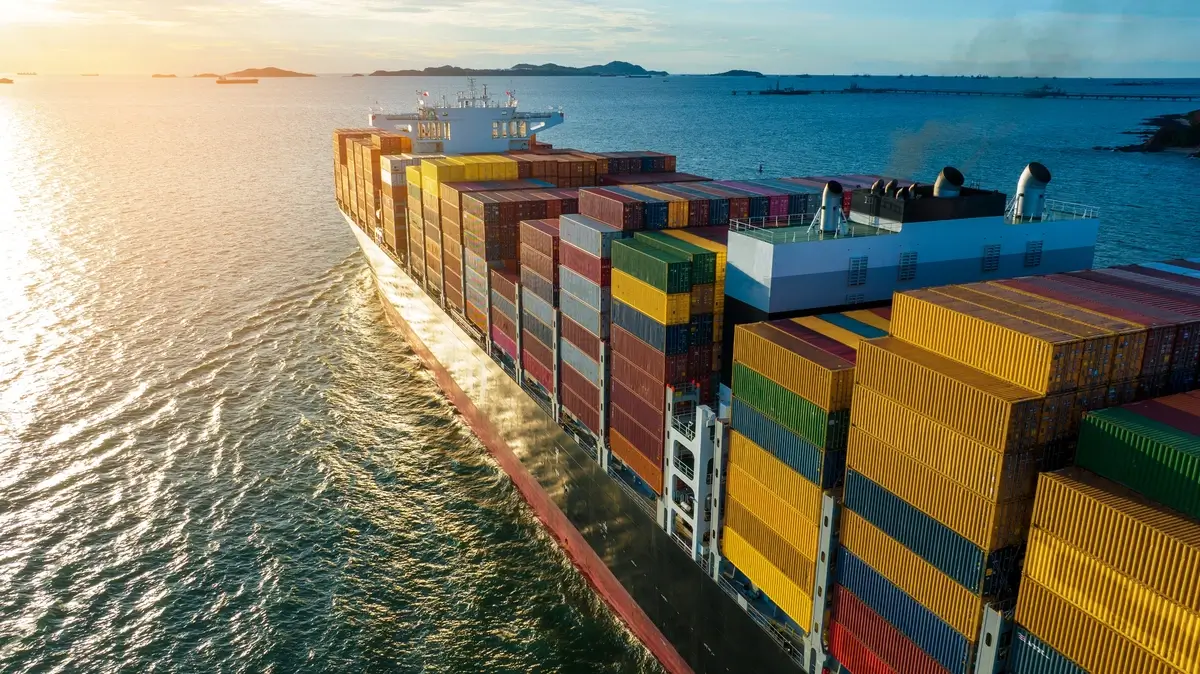
- Ocean Freight: Ocean vessels can carry significantly more cargo than planes. Container ships can transport thousands of tons of goods, making them the go-to option for bulk shipments such as vehicles, machinery, raw materials, and large industrial equipment. Ocean freight also accommodates oversized cargo that would be impossible to ship by air.
If you are shipping large volumes or oversized items, ocean freight is the clear choice due to its greater cargo capacity.
4. Environmental Impact
Sustainability and environmental impact are increasingly important considerations in shipping decisions.
- Air Freight: Airplanes produce far more carbon emissions per ton of cargo compared to ocean vessels. Although air freight is the fastest mode of transport, it is also the least environmentally friendly due to the high fuel consumption and emissions from jet engines.
- Ocean Freight: Ocean shipping is generally considered to have a lower environmental impact compared to air freight. Although ships emit pollutants, their emissions per ton of cargo are much lower, as they can carry large quantities of goods in a single trip. Efforts to reduce sulfur emissions, such as IMO 2020 regulations, are also helping the maritime industry become greener.
For companies looking to minimize their carbon footprint, ocean freight is the more environmentally friendly option compared to air freight.
5. Security and Risk
The security of the shipment and the associated risks also vary between air and ocean freight.
- Air Freight: Shipping by air is typically considered more secure and less prone to theft or damage. Airports have stricter security protocols, and cargo spends less time in transit, reducing the likelihood of loss or damage. However, air freight is vulnerable to weather delays and disruptions such as air traffic strikes.
- Ocean Freight: While ocean freight is generally safe, it carries a slightly higher risk of damage, especially for delicate items due to longer transit times and more handling. Additionally, theft or piracy may occur in certain parts of the world. However, modern shipping companies have extensive security measures in place to mitigate these risks.
Air freight is typically more secure for high-value or sensitive goods, while ocean freight comes with slightly higher risks due to longer transit times and exposure to external factors.
6. Customs and Documentation
The customs process and paperwork requirements for air and ocean freight differ in terms of complexity.
- Air Freight: Air cargo generally has a quicker customs clearance process, as goods spend less time in transit and there is often a faster turnaround at airports. The paperwork is typically simpler, and air freight can navigate customs more efficiently.
- Ocean Freight: Sea shipping can involve more complex customs documentation, as ocean shipments are slower and often have multiple stops. Customs processes at ports can be lengthy, and clearing a shipment can take days or even weeks in some cases.
If you need to avoid customs delays and require a quicker turnaround, air freight offers a more streamlined process, whereas ocean freight may involve more paperwork and longer clearance times.
7. Shipment Tracking and Visibility
The ability to track and monitor shipments is essential for businesses managing global supply chains.
- Air Freight: Air freight offers better tracking and visibility due to advanced technologies used by airlines and logistics companies. Most air freight shipments can be tracked in real-time, providing shippers with up-to-date information on their cargo’s location and status.
- Ocean Freight: Ocean freight tracking systems are improving, but real-time tracking is less common compared to air. Shipments are often tracked at major checkpoints, such as when they leave port or arrive at their destination, but the visibility between these points may be limited.
If real-time tracking and visibility are critical for your shipment, air freight provides a superior tracking experience.
Final Thoughts: Choosing Between Air Freight and Ocean Freight
When deciding between air and ocean freight, businesses must weigh the trade-offs between speed, cost, and capacity. Air freight is the fastest but comes at a higher price and with limitations on cargo size. Ocean freight, while slower, is much more affordable and suited for bulk shipments. Other factors like environmental impact, security, and customs procedures should also play a role in determining the best shipping method for your needs.
In summary:
- Choose Air Freight for high-value, lightweight, or urgent shipments.
- Choose Ocean Freight for cost-effective bulk shipping, oversized cargo, and more flexible delivery times.
Understanding these differences will help you make the right choice for your specific logistics requirements and keep your global supply chain running smoothly.
TSL EditorDecember 26, 20240 comments